
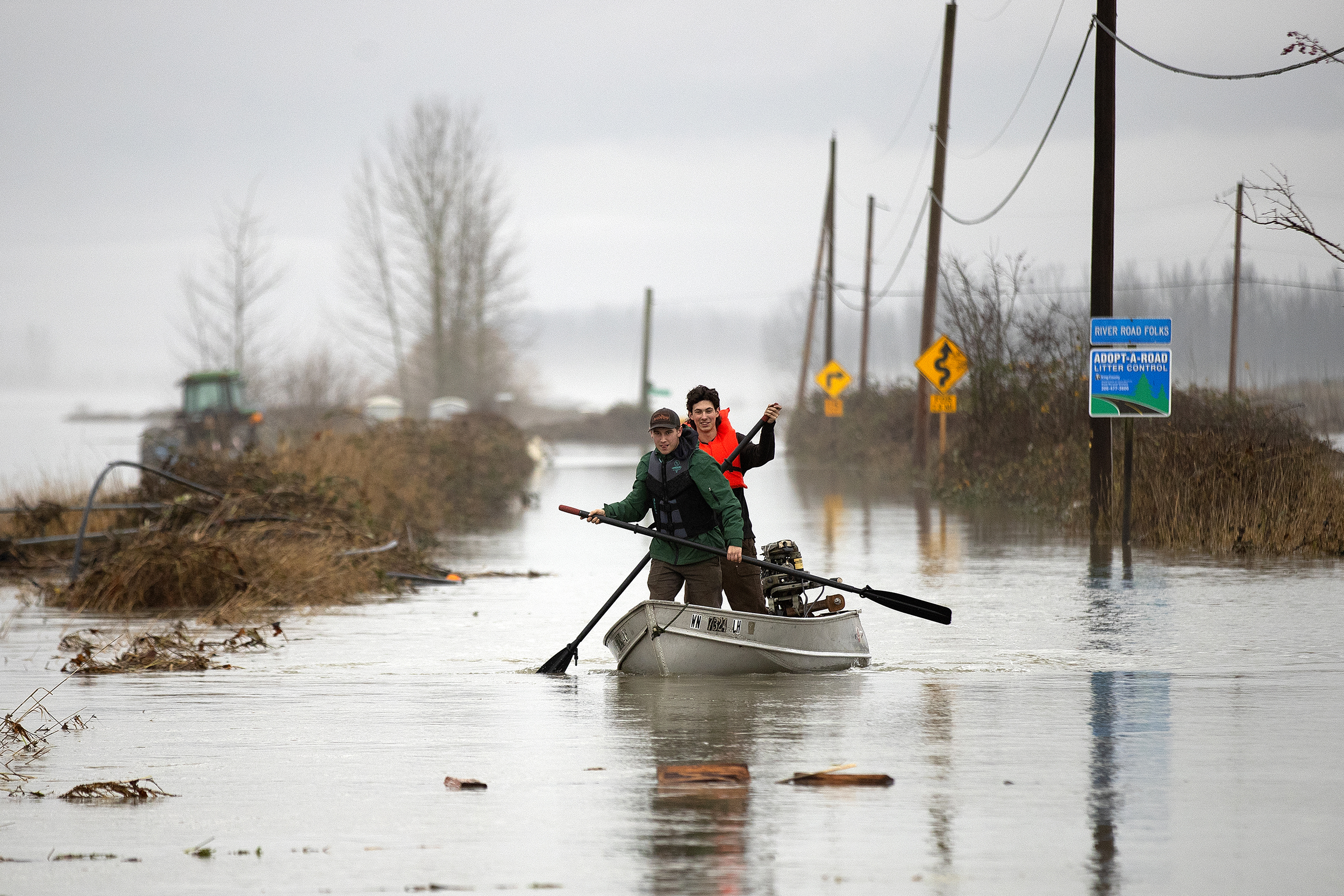
Record-setting rain fell on counties in western Washington state in December 2025, forcing widespread evacuations amid devastating floods. Washington public radio stations demonstrated the power of collaborative, mission-driven journalism throughout their coverage of the crisis – having a deep impact on the rural communities they serve.
In the days before atmospheric rivers dumped 9 million cubic acres of rain on the western counties of Washington state, KUOW news director Jason Pagano was still evaluating how the Seattle-based public radio station would cover the storm.
But after Washington Governor Bob Ferguson declared a state of emergency on December 10, 2025, announcing evacuation notices affecting 75,000 residents, Pagano knew covering the storm would require all hands on deck.
When he went to the newsroom to design a coverage plan, Pagano said, “everyone put their hand up.”
That willingness to collaborate extended beyond KUOW’s newsroom.
Public broadcasters in the region were well-positioned to provide robust news and information to the majority of the affected communities, both over the air and online, with no paywalls. KUOW’s broadcast signal reaches deep into King and Skagit counties, both of which were pummeled by the atmospheric river that dumped rain on the region.
Meanwhile, Northwest Public Broadcasting, a statewide newsroom with a primary studio based in the eastern town of Pullman, Washington, has reporters based throughout the state and towers that broadcast into rural western Washington counties. Combined with KNKX, a Seattle-based music station, these outlets quickly worked together to deploy resources and inform residents. Oregon Public Broadcasting also broadcasts into southern portions of the state.
The three Washington stations had a combined eight reporters in the field. Together, they met with fellow stations in the Northwest News Network and NPR’s western bureau chief, who helped pass local stories to the national newscast teams. KUOW’s live blog was featured on NPR’s homepage during the early days of the flooding, providing readers nationwide a truly local picture of the disaster in real-time.
“(We) said yes to everything,” Pagano said.
Northwest Public Broadcasting’s reporting was also featured on the national programs, covering deeply rural, difficult-to-reach portions of the affected areas.
“That’s what we were able to bring to the (NPR) network,” Northwest Public Broadcasting news director Tracci Dial said. “Really those hard-hit towns that you can’t even get to except by boat or plane – a lot of people might not know they exist but we have a reporter who can get right in there because we’re an hour away from them.”
Northwest Public Broadcasting reporter Renee Diaz, based in Chelan County, on the eastern side of the Cascade Mountains, was able to reach folks in the extremely isolated community of Stehekin, Washington. She reported an account of what it’s like for Stehekin’s 80~ residents to endure environmental emergencies.
“She had so much care for it because she’s living in those communities,” Dial said. “Because of that she was able to get such good sound.”
High alert
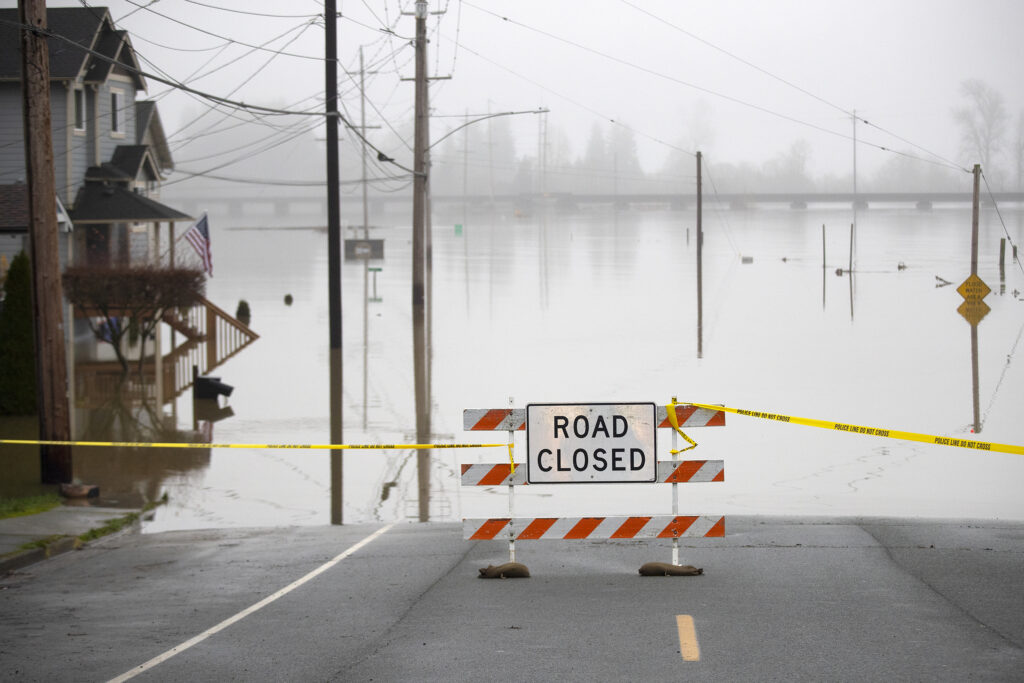
Beyond news coverage, public radio stations are essential actors in Emergency Alerting Systems (EAS), particularly in rural communities. Washington’s stations are no exception.
KUOW, Northwest Public Broadcasting and KNKX are all full partners of the state’s emergency alerting systems, broadcasting evacuation and flooding alerts to their coverage areas. KNKX alone aired more than 28 EAS messages over the 14-day period.
“The immediacy of public media in these situations is huge!” KNKX News Director Jennifer Wing said.
KUOW also carried two press conferences from the governor and one from local public officials live on air. Meanwhile, Northwest Public Broadcasting’s Diaz and Anna King were both in regular communication with local sheriffs’ offices and emergency managers.
“That’s a core public service, potentially life-saving information,” Pagano said.
Network effects
Many news outlets provided valuable coverage of the floods. The Seattle Times also had a live blog that was regularly updating readers of the floods’ progression. Other newspapers in affected areas were reporting on how the floods were impacting local communities. National news outlets also ran coverage.
Yet, the value of public radio was distinct. Public broadcasters throughout Washington and beyond were able to quickly collaborate across the region, delivering deeply local perspectives while also elevating those perspectives into the national understanding of the emergency.
Although KUOW has the largest news staff of the three public radio stations that responded to the flooding, they couldn’t get reporters to communities on the other side of the Cascade Mountains. That’s where Northwest Public Broadcasting stepped in – and shared their coverage.
And these outlets further amplified information by sharing content – Northwest Public Broadcasting was able to run stories filed by KUOW and KNKX reporters, and vice versa. All of their reporters were able to bring their own local knowledge and perspectives.
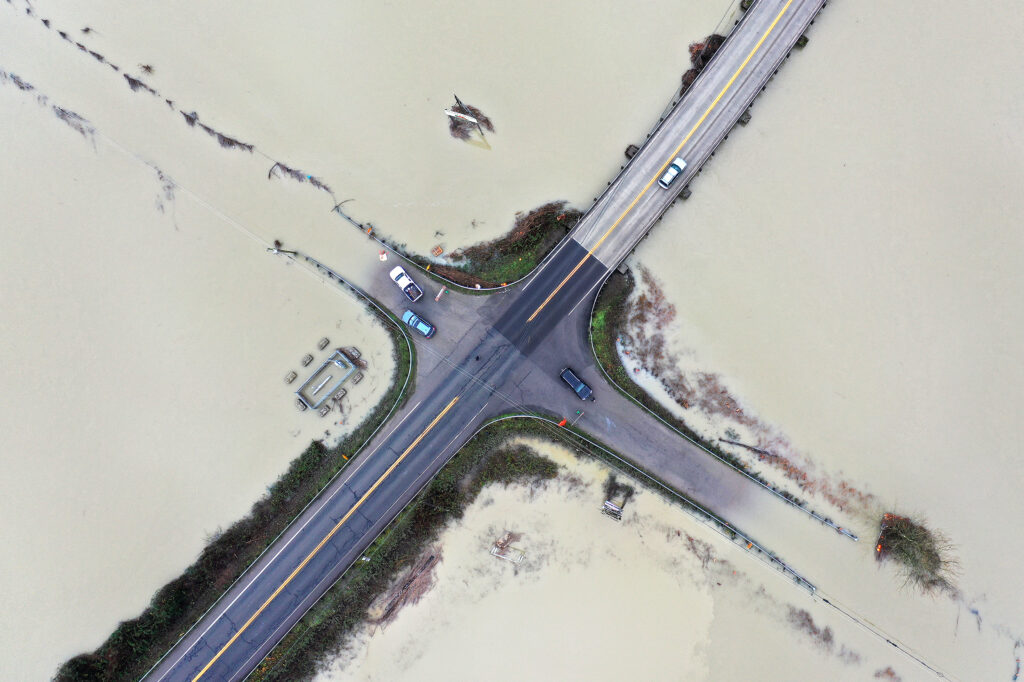
KUOW’s Casey Martin, John Ryan, Joshua McNichols and Scott Greenstone brought more than a decade of experience covering the region. NPR featured powerful images from KUOW photojournalist Megan Farmer, conceptualizing the scope of the flooding for local and national audiences alike. Anna King of Northwest Public Broadcasting brought deep connections to Washington’s agricultural community. That expertise resulted in an impressive breadth of coverage.
“When we think about flooding we think about people being displaced, but you don’t necessarily think about the feed mill,” Dial said.
But those are exactly the angles that public broadcasters are in an ideal position to cover. Unlike other local newsrooms, public broadcasters are able to tap into a network of outlets that serve 99% of Americans. And unlike other national news outlets, public radio reporters live in the communities they cover and will stay there long after the emergency has passed.
In the weeks after the flooding, leaders from KUOW, Northwest Public Broadcasting and KNKX listed issues their newsroom will continue to cover: insurance markets, environmental effects, state budget ramifications, agricultural disruptions and, yes, the next emergency.
“It does happen,” KUOW Chief Operating Officer Kerry Swanson said. “And if it weren’t for the resources that our [public] media stations could offer it could have been even worse.”
Other Stories
See All
October 7, 2026
Iowa Public Radio Took The Chance and The Time To Own Itself
August 6, 2026
Through the West’s Worst Fire Season in Years, Local Public Media Keeps their Communities Informed
June 16, 2026
On Capitol Hill, Rural Station Leaders and the Lawmakers Who Represent Them Emphasize Their Vital Service
April 30, 2026
For Native Public Media and Tribal Radio Stations, the Signal Must Stay On

April 3, 2026
For Visually-Impaired Kansans in Rural Areas, Audio-Reader Brings the Local Stories