
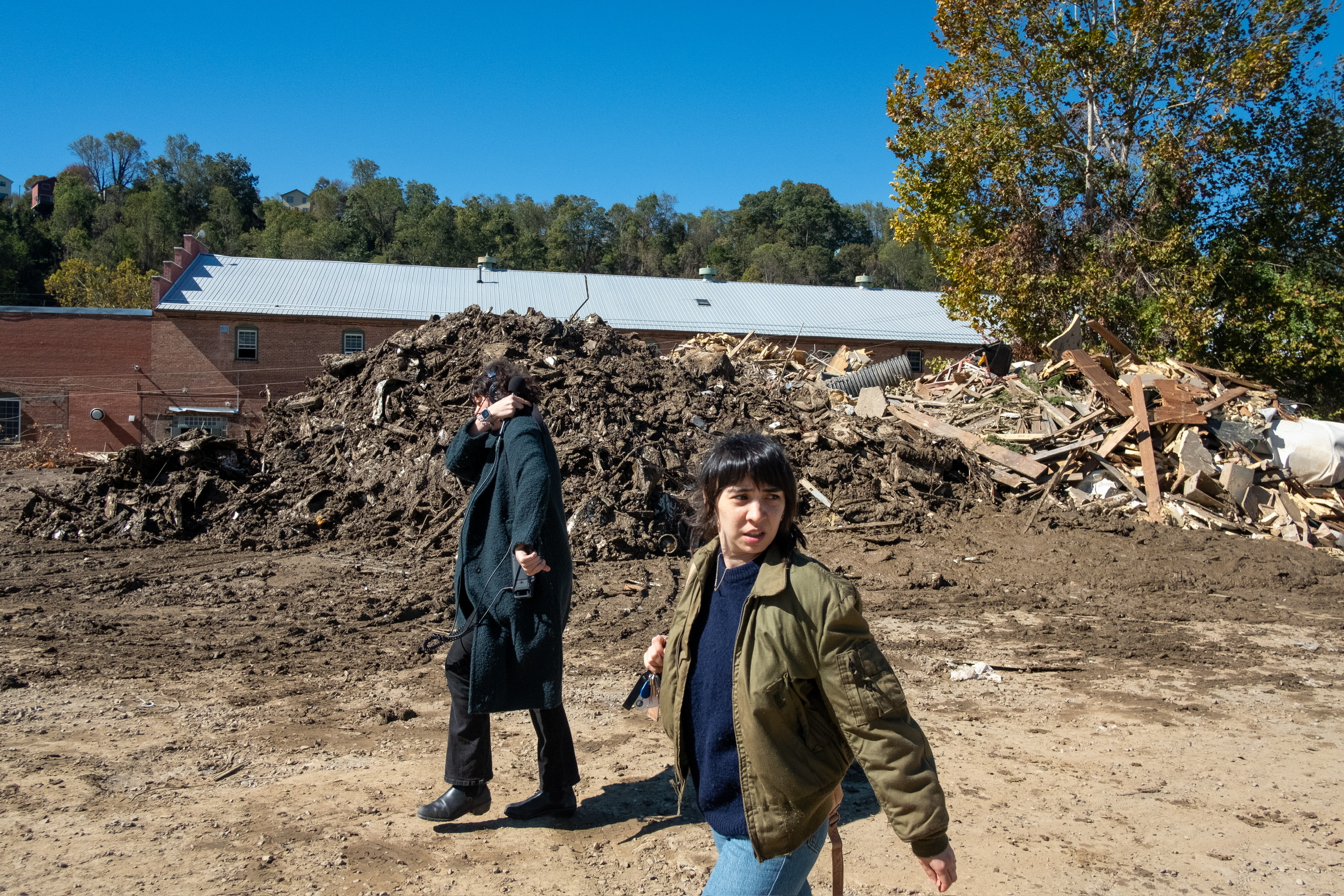
From emergency broadcasts to long-term recovery reporting, Blue Ridge Public Radio demonstrates what’s at stake as federal support for public media erodes
2024’s Hurricane Helene put the public-service mission of Blue Ridge Public Radio to the test, and the station responded with the kind of coverage only a rooted local newsroom can deliver. Blue Ridge Public Radio (BPR) is the hub rural listeners across Western North Carolina turn to when other systems fail — and the station’s response shows why local public media are so valuable before, during, and after a crisis.
“We have a generator, so we had power back pretty quickly, and internet, for some reason. And so we immediately went to local coverage 24 hours of what was happening in our 14-county region,” says BPR’s CEO and General Manager Ele Ellis.
With TV, cell networks, and many websites down, the station shifted into broadcasting continuous emergency programming, reading official briefings live and translating updates into Spanish each evening. Listeners later told staff that for many days these broadcasts were the only information they could access.
The station itself became an ad-hoc emergency hub. Staff slept on office floors, edited in shifts, and opened their work space to partner journalists because BPR had power and connectivity when much of the region did not.
“The story that is most often told about BPR during that time is the one where people didn’t have any other opportunity for news,” says Ellis. Listeners described parking their cars at the ends of long gravel driveways or placing hand-crank radios on mailboxes just to hear the day’s updates.
That trust has translated into resources to continue covering the aftermath. BPR secured roughly $279,000 in grants from the Corporation for Public Broadcasting and regional foundations to support emergent needs and long-term recovery reporting. The newsroom is still tracking FEMA assistance delays, infrastructure damage, water-quality concerns, and the financial burdens that remain.
It is also documenting moments of progress across its mountain communities. “We’ve also been covering the joy of things that have been rebuilt or fixed or are better now,” says Ellis.
As Congress retreats from funding public media — a shift with especially sharp consequences for rural stations — BPR’s experience stands as both a warning and a proof point. “BPR was our lifeline during Hurricane Helene,” says Ellis, recalling how often she hears those words from local officials and strangers in the grocery store.
Now, the station invites its community to deepen that trust through its own Be the Lifeline campaign, which asks listeners to build a new foundation of sustainable support so BPR’s journalism, music and emergency coverage can keep running strong. The campaign reflects the same spirit of connection that carried the region through Helene, reminding residents that the resilience BPR showed in the storm is now something they can help sustain together.
Other Stories
See All
October 7, 2026
Iowa Public Radio Took The Chance and The Time To Own Itself
August 6, 2026
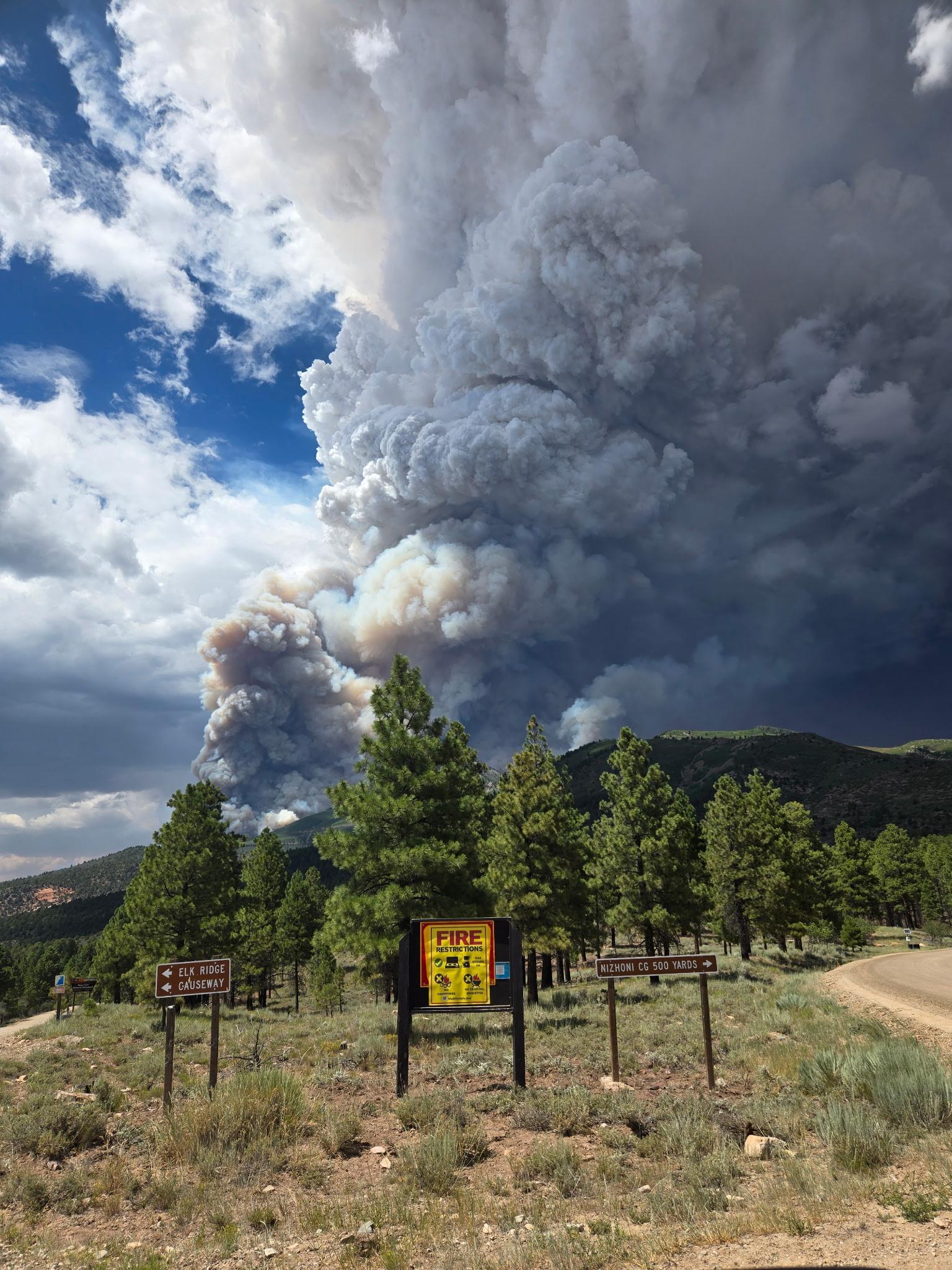
Through the West’s Worst Fire Season in Years, Local Public Media Keeps their Communities Informed
June 16, 2026
On Capitol Hill, Rural Station Leaders and the Lawmakers Who Represent Them Emphasize Their Vital Service
April 30, 2026
For Native Public Media and Tribal Radio Stations, the Signal Must Stay On
April 3, 2026
For Visually-Impaired Kansans in Rural Areas, Audio-Reader Brings the Local Stories