
The inaugural Rural Voices Day on March 4, 2026, was a reminder that no matter where a station is or how rural it may be, its impact can span thousands of lives and miles.
The inaugural Rural Voices Day, hosted by the Alliance of Rural Public Media on March 4, 2026, was a reminder that no matter where a station is or how rural it may be, its impact can span thousands of lives and miles. Stations that are instrumental in delivering public radio’s 98.5% coverage area showed up from every corner of the country, from Sitka, Alaska to South Texas.
With more than 75 stations officially participating from across 35 states, Rural Voices Day brought together people from across time zones, landscapes, backgrounds…demonstrating that public stations are a reliable, connecting thread for communities everywhere.
Like they do every day, stations delivered incredible local reporting and programming to their communities in every space they could meet them — on the airwaves, in local venues, and on social media. From Aspen Public Radio’s two-hour live broadcast from the Pitkin County Library (which was also noticed in their local paper) to dozens of call-in campaigns for listeners to share their love — March 4, 2026 provided a moment to recognize just how special rural public radio can be.
Stations highlighted just how much they punch above their weight. KAWC/KOFA and their total of five staff produced a video series highlighting their resilience, commitment, and deep local ties in Southwest Arizona, including videos in both English and Spanish. KUNR and KNCC elevated their Elko-based one-woman station that produces local journalism for the Northeastern Nevada community. KEDT’s staff of 20 works everyday to provide local news, cultural programming, and classical music curation to 27 counties in South Texas.
Troy Public Radio, which shared a special Rural Voices Playlist, covers 46 counties across Southeast Alabama, Western Georgia, and the Florida Panhandle with just eight staff. KTTZ, which reaches more than 20 counties with a team of four full-time staff based in Lubbock, Texas, elevated original reporting that amplifies local concerns and issues. In many of these places, these are the only local outlets remaining, as the Pacific Northwest’s KNKX noted: “For listeners in places like Aberdeen, on the Kitsap Peninsula, and in the Skagit Valley, KNKX is sometimes the only independent, local source of news and information available without a paywall.”
Even amidst an onslaught of international breaking news and developments, lawmakers took a moment to recognize the critical role public radio plays for their rural constituents. Representative Chuck Edwards (R-NC) called out the critical service of Blue Ridge Public Radio to his district: “Beyond times of crisis, Blue Ridge Public Radio continues to connect rural communities, share local stories, and keep residents informed about issues that affect their lives.” Representative Ed Sorenson (D-IL) recognized the essential nature of public radio for rural communities in Illinois: “In many parts of Illinois, public radio isn’t just programming, it’s the first point of contact when something major happens.” Other lawmakers recognized the day, including Senator Amy Klobuchar (D-MN), Senator Ben Ray Lujan (D-NM), Representative Val Hoyle (D-OR), and Representative Tim Kennedy (D-NY).
And this public service literally spans mountains, deserts, oceans, highways, and more. As PBS Wisconsin and Wisconsin Public Radio noted, “We report from farm fields, village halls and small towns across the state, covering the policies, people and pressures shaping rural Wisconsin.” KUAF in Fayetteville shared similar sentiments: “Our signal reaches farm roads, river valleys, and small towns across three states — and for a lot of folks out there, we’re not background noise. We’re the source of local news and information, music and connection.”
KGOU mapped out their reach across 36 counties in Oklahoma, many of which have limited access to local news, weather reports, and emergency information. KRVS’ 100,000 watt signal reaches 14 parishes in Louisiana while broadcasting in three different languages: English, Louisiana French, and Creole. WKU Public Media shared that they are one of the only remaining local media outlets in South Central Kentucky, reaching 74,000 residents every week and partnering with over 30 local organizations.
Members of the Appalachia + Mid South Newsroom demonstrated how they work together to serve a huge swath of the country. West Virginia Public Broadcasting noted that they not only cover all 55 counties of West Virginia, but that they are the only entity providing statewide Emergency Alert Services. WUOT reporter Pierce Gentry shared why rural voices and stories matter in the landscape of public media.
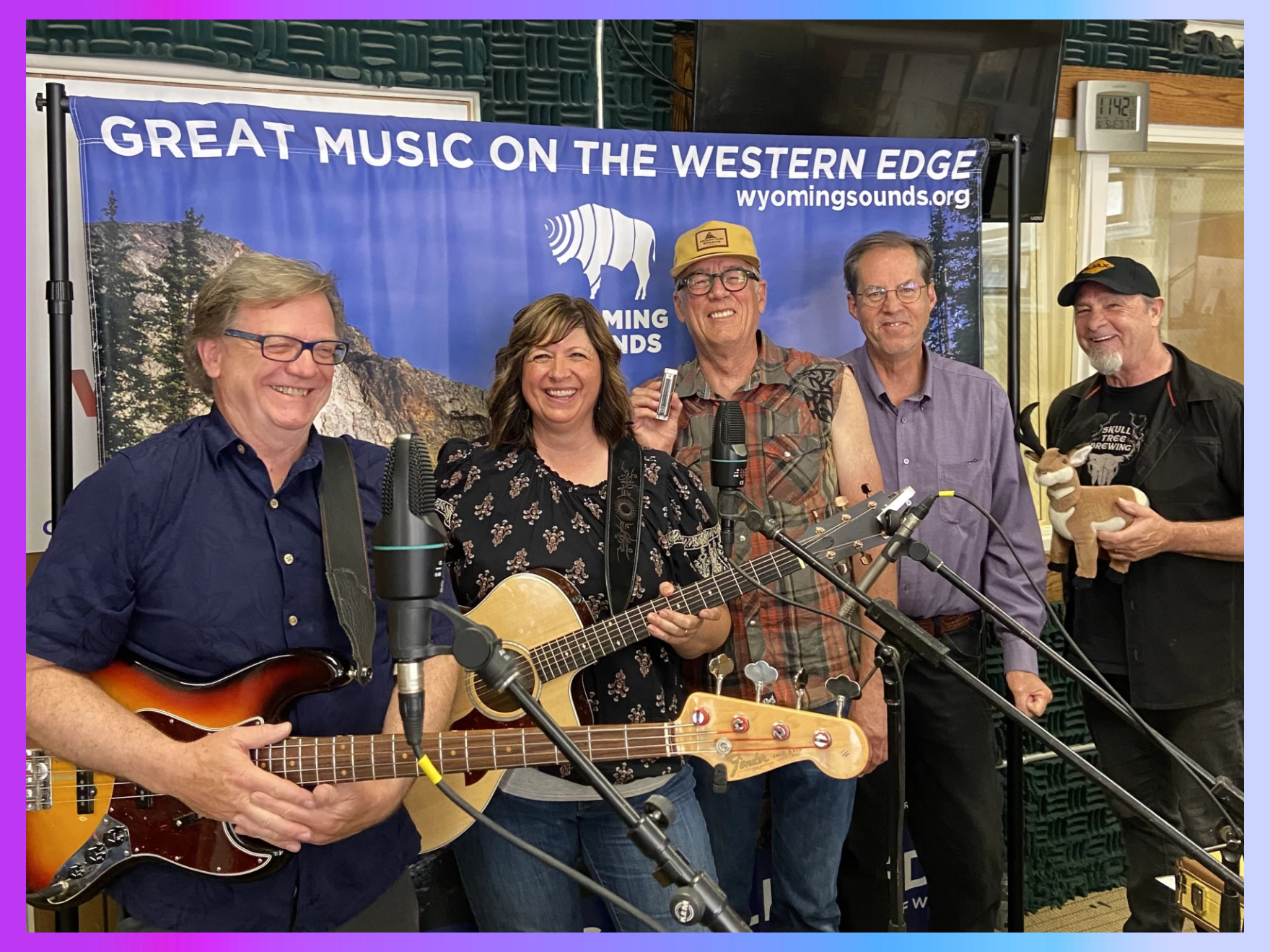
Audiences in each of these communities echoed their deep appreciation and support for the work public stations do. “I am a DAILY listener to public radio – in the tractor, on the combine…when arising, and in the late afternoon and evening. It is an invaluable part of my life,” said a Prairie Public listener from Cooperstown, North Dakota. Jefferson Public Radio broadcast on-air love from rural listeners, along with showing a day-in-the-life of their radio station engineers. WKMS showcased their staff’s community presence and work to deliver information and cultural programming to Murray State and the surrounding communities. Local musicians in Wyoming praised Wyoming Public Media and Wyoming Sounds for being a connecting thread that brings them together.
These stations’ roots run deep in their communities, and that was on clear display. “In honor of Rural Voices Day, we traveled around our broadcast area to highlight the people, stories and small-town pride that define these communities – just a few of the places that make up the heart of the Brazos Valley,” wrote KAMU staff in a video series. Humboldt Hot Air/KHHA reminisced about their long history in Arcata, while KSLG celebrated their 25 years of service in Humboldt County: “It has been an honor for all of us, past and present, to welcome our neighbors’ stories to the airwaves and share our voices with you.”
KXCV-KNRW is a pillar for sports coverage of Northwest Missouri State University, highlighting their hyper-local programs, Bearcat Coaches Show and Bearcat Rewind. WXPR recognized their 40 years of service in the Northwoods region of Wisconsin and the Upper Peninsula and their enduring resilience: “designed to last because it belongs to the community.”
Illinois Public Media’s first-ever broadcast in 1922 for dairy farmers (‘Turning Cream into Gold’) is reflective of their ongoing weekly agricultural programming. KRCB had a video showcasing their work to amplify the sounds, stories, and conversations that make Sonoma County unique, and KCBX kicked off their pledge drive and reflected on their deep local connections, including hosting the Live Oak Music Festival every year.
Sitka’s KCAW summed up the spirit of the day perfectly in one of their videos: “People want to be in community, and they want to hear from their neighbor, and they want to know about their neighbor.”
Other Stories
See All
August 6, 2026
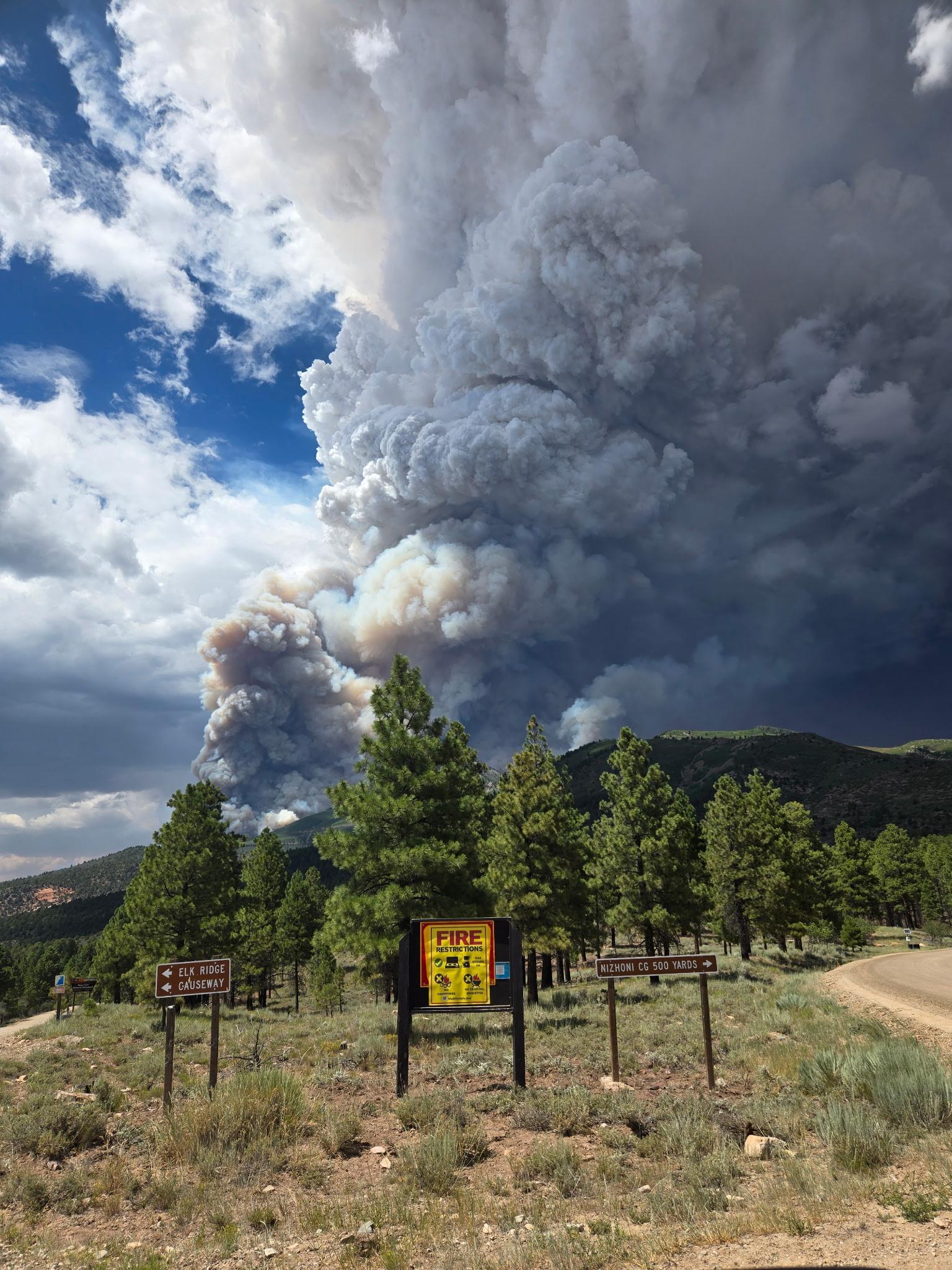
Through the West’s Worst Fire Season in Years, Local Public Media Keeps their Communities Informed
June 16, 2026
On Capitol Hill, Rural Station Leaders and the Lawmakers Who Represent Them Emphasize Their Vital Service
April 30, 2026
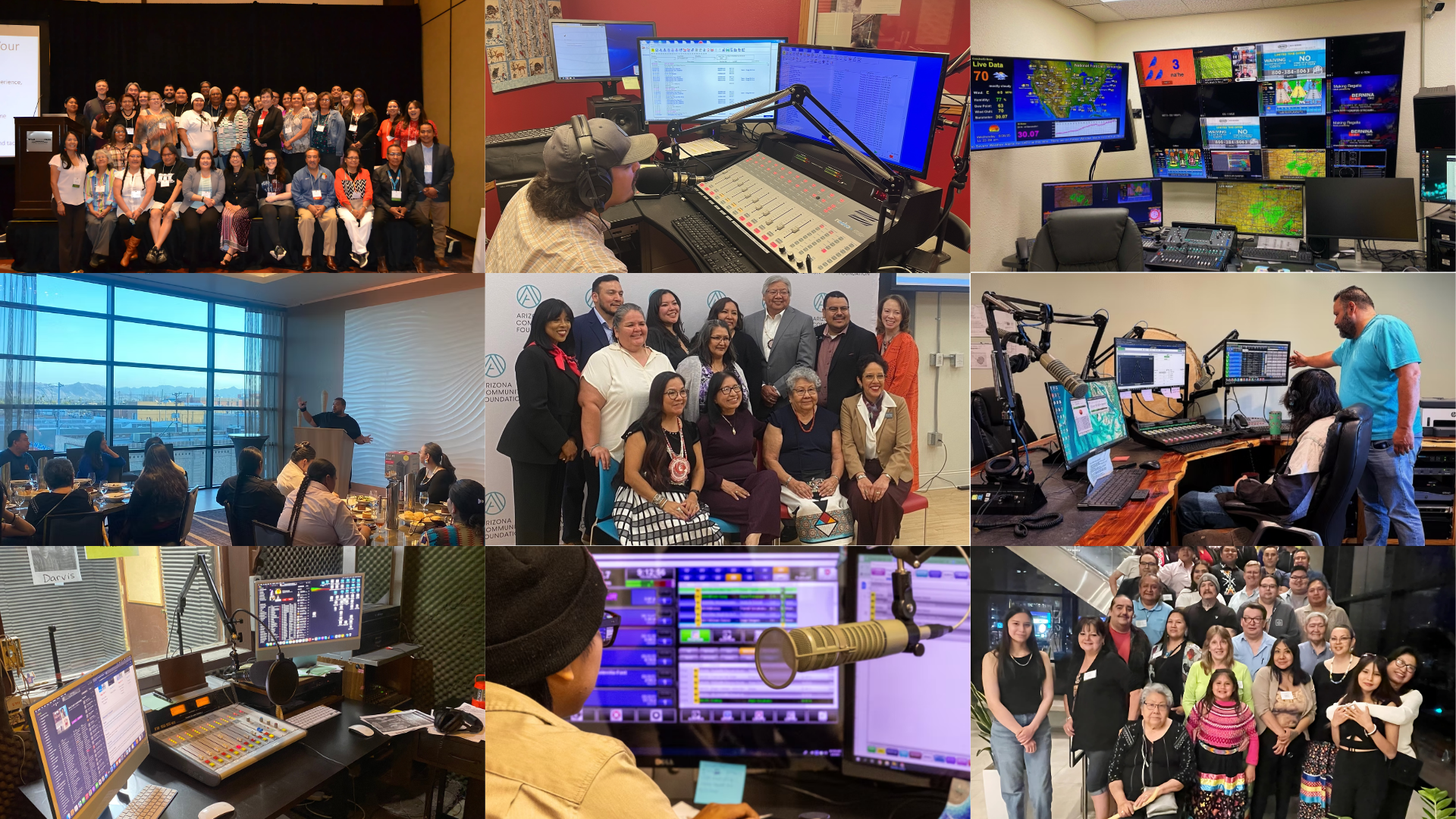
For Native Public Media and Tribal Radio Stations, the Signal Must Stay On
April 3, 2026
For Visually-Impaired Kansans in Rural Areas, Audio-Reader Brings the Local Stories

February 27, 2026
noncomMUSIC Alliance: Turn on Wyoming Sounds. You’ll Hear a Friend on the Radio.